
Hair Color Correction: Fixing What Didn’t Go as Planned
Hair color does not always go as planned. Box dye buildup, brassy blondes, weird bands of color that seem to show up out of nowhere. It happens more often than people think. At EYEFUL we approach those situations with patience, strategy, and a real focus on keeping the hair healthy while getting it back on track.
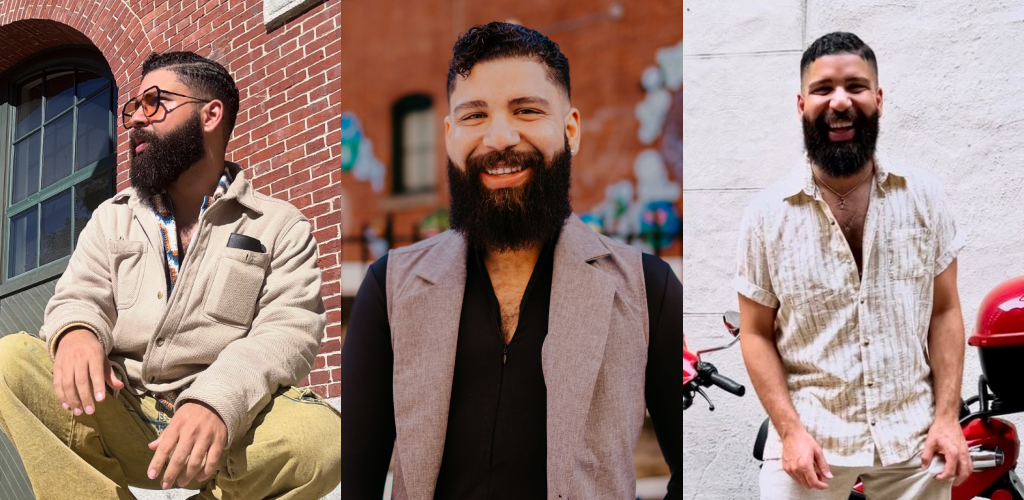
One of the perks of owning a salon is getting to work alongside artists you genuinely love. Alejandro is one of those people for me. Our conversations behind the chair can go on forever, usually bouncing between color theory, music, and the wild hair stories that walk through the door.
Recently we were talking about color correction and I realized how much thought and care he puts into it.
Alejandro’s inspiration for hair started early. Growing up, he was fascinated by the drama and personality of hair in pop culture. Shows like America’s Next Top Model and artists like Isabel Pantoja, Ana Gabriel, Gloria Trevi, Thalía, and Alejandra Guzmán were a big influence.
“Their hair was part of their identity,” he told me. “It wasn’t just hair. It was expression.”
That passion eventually turned into a deep love for corrective color. When I asked him how he got into color correction, he laughed a little and admitted it was not exactly the easy route. “I worked my ass off for it,” he said. “Double, sometimes triple the hours of people around me. But I loved it because I wanted to help people feel their absolute best.” And that’s exactly what corrective color can do.
A lot of guests come in feeling frustrated or embarrassed about their hair. Maybe a box dye didn’t turn out the way they expected. Maybe their blonde went a little too orange. Maybe years of coloring created uneven bands. Alejandro has this calm way of looking at the hair and saying, “Alright, let’s figure this out.”
He describes color correction as a reset. “Think of it like balancing everything back out,” he explained. “Fixing uneven tones, mismatched color, or over processed dye so the hair can look beautiful again.”
One thing he’s very honest about is that color correction is rarely a quick fix. A lot of people assume one appointment will magically erase years of color history. “Sometimes it can,” he said. “But most of the time it’s a process. My job is to move the hair toward the goal while protecting it.” And protecting the hair is always the priority.
Before anything else, Alejandro studies the hair’s history. What has been done to it? What condition is it in now? What is actually possible without damaging it further?
“Hair history tells me everything,” he said. “If we know the story, we can create a plan.” That plan can involve several steps. Color removal, strategic lightening, toning, and bond building treatments to keep the hair strong through the process.
What makes color correction different from a typical color appointment is the level of strategy involved. “A normal color service is maintenance,” Alejandro explained. “Color correction is problem solving.”
One of the biggest challenges he sees regularly is box dye buildup. “Box dye is stubborn,” he said with a smile. “It doesn’t mean we can’t fix it. It just means we need patience.”
I love the way Alejandro thinks about color in general. At one point during our conversation he compared it to fabric.
“When the right elements are blended together,” he said, “you create something really beautiful.” That mindset keeps him grounded in the fundamentals. Precision sectioning, thoughtful lightening, the right toning formulas, and strengthening treatments are all part of his toolkit. And of course the work does not stop when the guest leaves the salon. Maintaining healthy color after a correction is just as important as the service itself. Alejandro always talks with guests about the role of professional aftercare. Sulfate free shampoos, deep conditioning treatments, heat protection, and regular toning appointments all help maintain the color and keep the hair strong.